MALHAM, YORKSHIRE
Not where you'd expect
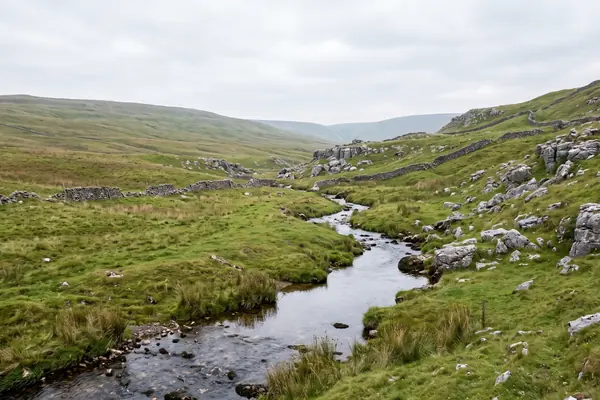
Water from Malham Tarn sinks into the ground above Malham Cove. When fluorescent dyes were added, they did not appear at the foot of the Cove but at Aire Head Springs, two miles further south.
Pick a tool doodletracer
00HOW GEOLOGISTS FOLLOW WATER
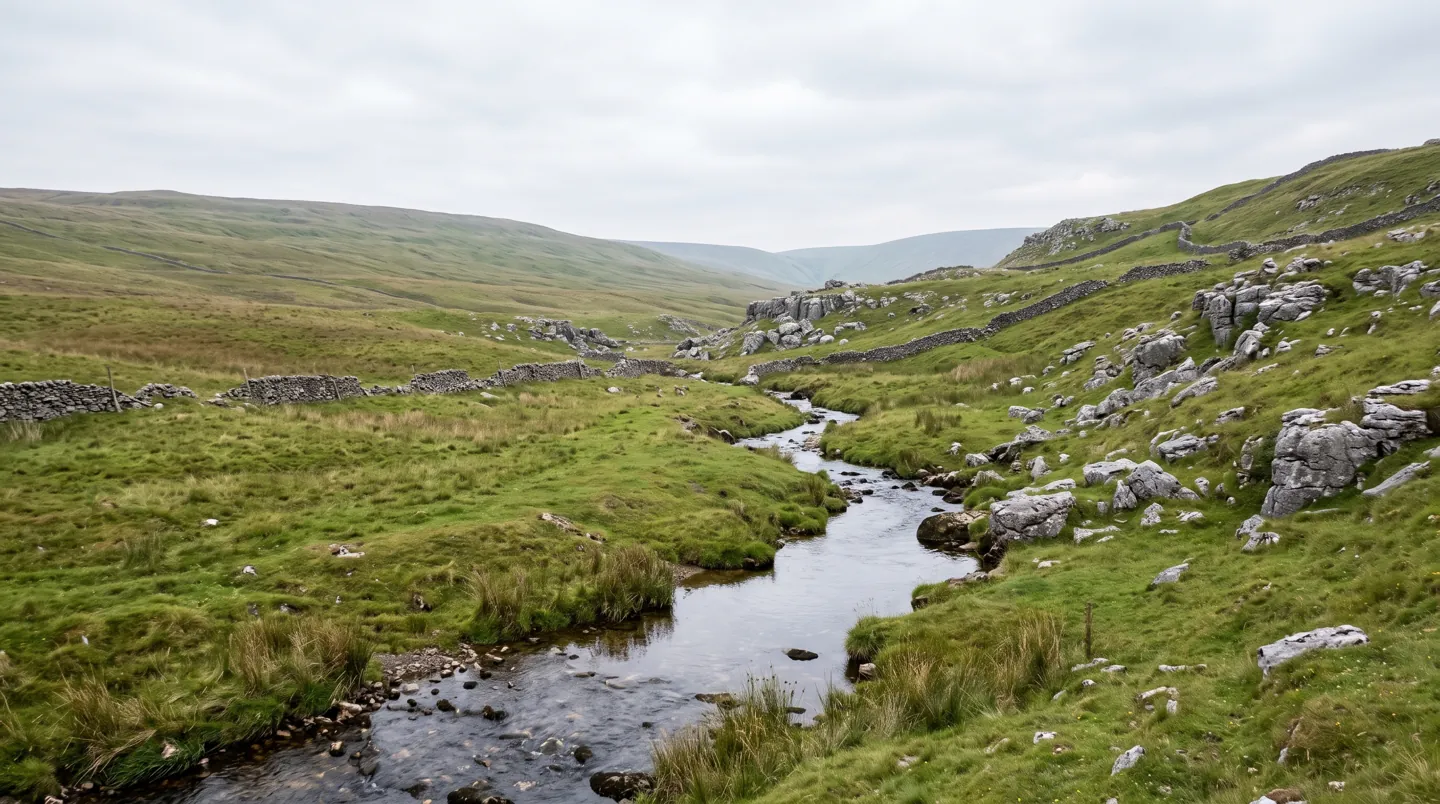
In limestone country, streams can simply disappear into the ground.
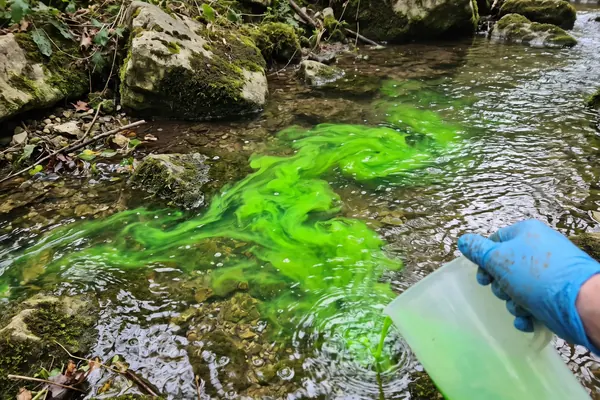
To find where that water goes, geologists tag it with fluorescent dye and then watch every spring and stream nearby. The answer is often not the one the landscape suggests.
Pick a tool01Principles
02THE SHORT ANSWER
Water tracing is simple in idea.
The surprise is in where the water turns up.
MALHAM, YORKSHIRE
Water from Malham Tarn sinks into the ground above Malham Cove. When fluorescent dyes were added, they did not appear at the foot of the Cove but at Aire Head Springs, two miles further south.
Pick a toolTHE DYE
Geological Survey Ireland says fluorescent dyes can be detected at concentrations six orders of magnitude below what the eye can see, down to about one part per trillion.
See the numbersTHE WATCH
In a US Geological Survey study in Kentucky, dye detectors were set at 22 springs and streams around the injection points, so that no exit was missed.
How a trace works03A QUICK TOOL CHECK
Pick a tracing tool to see what it does. The bar shows how central it is to modern water tracing, according to the survey sources here.
Based on Geological Survey Ireland's water tracing guide and US Geological Survey dye-tracing reports from Kentucky.
04TWO NUMBERS WORTH KNOWING
One figure on how widely dyes are used,
one on how long the water can take.
≈ 90%
Share of karst traces that use dyes
Geological Survey Ireland says dyes are the principal and most successful tracers today, used in approximately 90% of karst traces worldwide.
KARST TRACES · GEOLOGICAL SURVEY IRELAND
3–5 days
From sinkhole to monitored springs
At a Kentucky waste-disposal site, USGS tracer tests suggested runoff entering nearby sinkholes may take 3 to 5 days to reach the monitoring springs.
TRAVEL TIME · US GEOLOGICAL SURVEY
The same USGS study found the dye did not drain to the spring that supplies water to the nearby city of Auburn, and it identified which springs should be monitored for contamination.
05A TRACE IN FOUR STEPS
The basic method is the one Geological Survey Ireland describes: tag the water where it enters the limestone, then watch the possible exits and note when the tracer arrives.
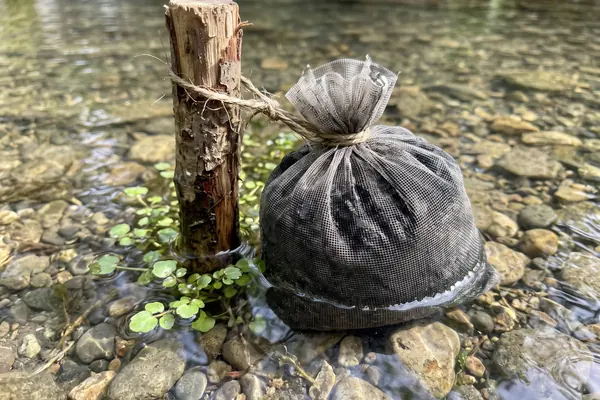
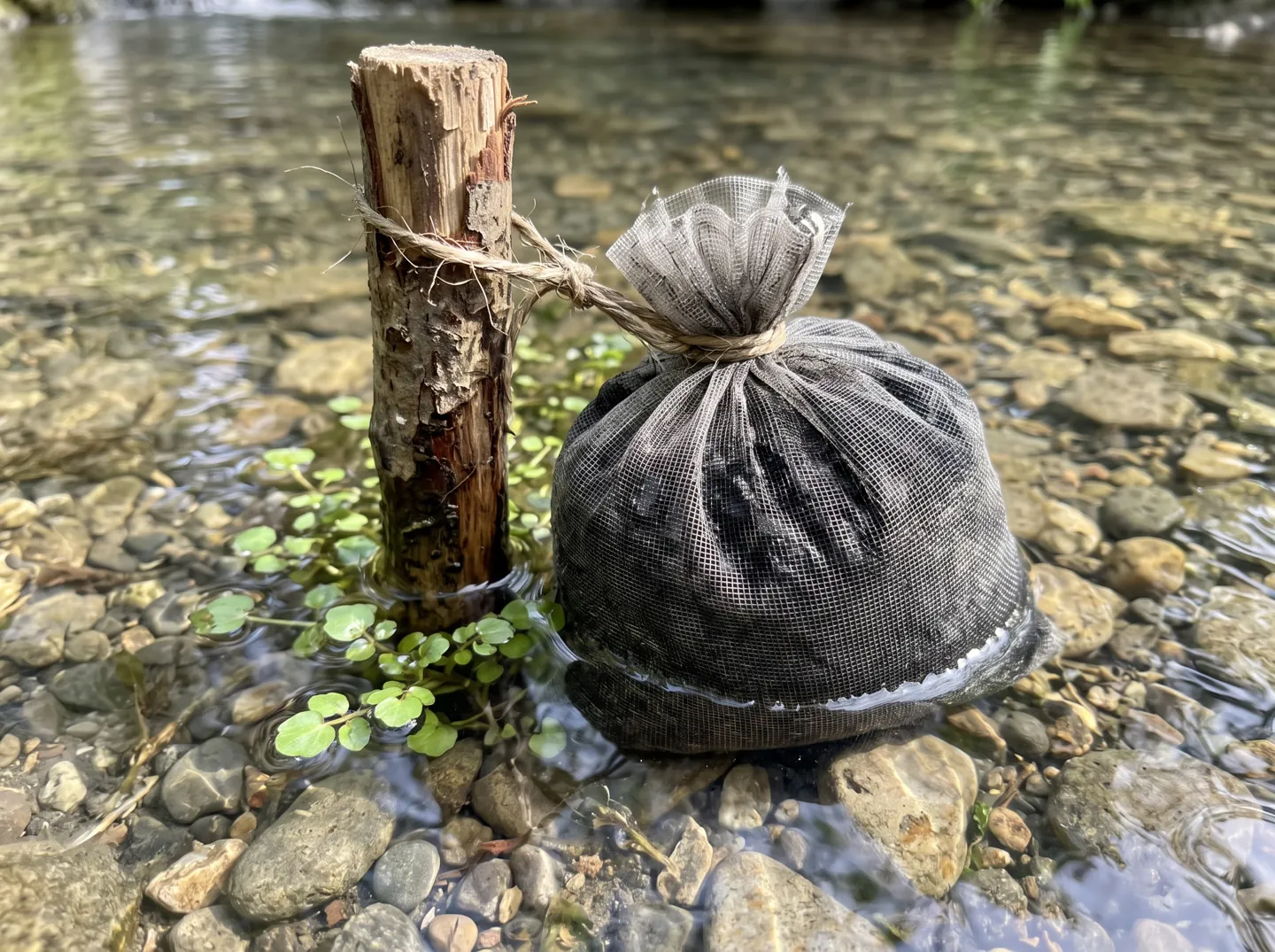
Before injecting, USGS teams placed and analysed detectors to measure any fluorescence already in the water.
Dye is flushed into a sinkhole or swallow hole where surface water enters the ground.
Detectors and water samples cover all the springs and streams the water might reach, not just the nearest.
Recording when the dye appears gives the direction of flow and a sense of how fast the water moves.
06WHY IT MATTERS
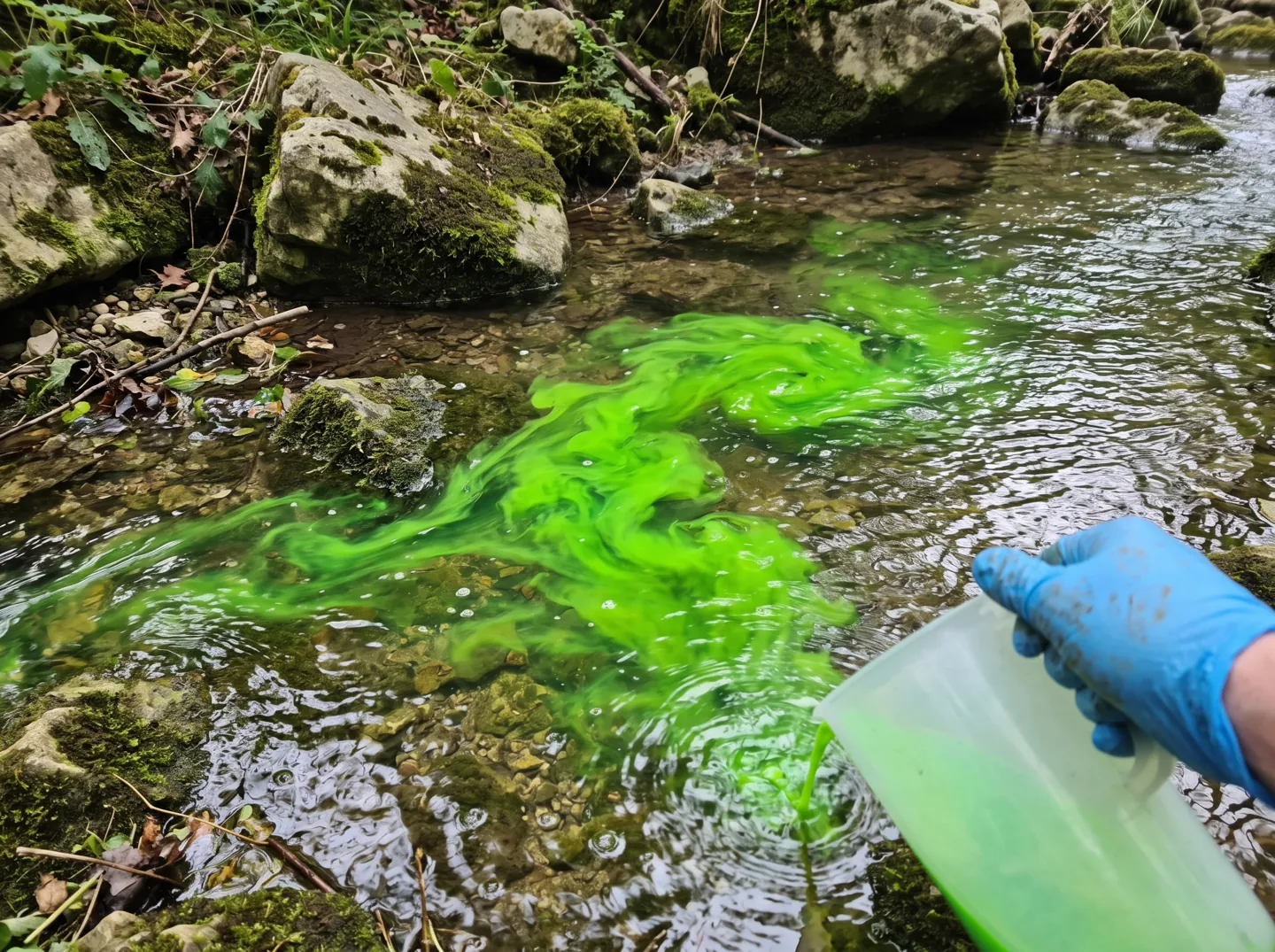
In karst country, water can flow underground in a different direction from the runoff on the surface. At a Kentucky research farm, USGS dye tests showed water from one swallow hole reached a spring feeding a research pond, while dye from another went to a different spring in wet weather.
That matters for wells, springs and ponds: the USGS concluded that the pond was vulnerable to farm chemicals from fields above it. Monitoring wells alone often miss waste moving in karst, because no one can be sure a well taps the openings that carry the water.
07Questions
It is a way of finding where underground water goes. Geological Survey Ireland describes it as tagging water as it enters a karst system and monitoring possible exits to see where it re-emerges, usually recording how long it takes.
Fluorescent dyes are cheap, and they can be detected at concentrations up to six orders of magnitude below what the eye can see. That means a trace can be run without visibly colouring a spring.
Water from the tarn sinks into the ground at Water Sinks. When fluorescent dyes were added, they did not reappear at the base of Malham Cove but at Aire Head Springs, about two miles further south, where the water becomes part of the infant River Aire.
It varies with the rock and the weather. At one Kentucky site, the USGS estimated that runoff entering sinkholes may take 3 to 5 days to reach the monitoring springs.
Yes. Each fluorescent dye emits light at its own wavelength, so different dyes can be injected at the same time and identified separately, which yields more information in the same sampling time.
08Sources
ABOUT THIS NAME
doodletracer.com is part of the DoodleSale portfolio. It isn't in an auction right now, but you can ask about leasing it.